

Introduction
Enterprise Resource Planning (ERP) systems are the central nervous system of modern organizations. They integrate disparate business functions into a single, cohesive environment. Among the various solutions available, Odoo has emerged as a disruptive force due to its open-source nature and modular architecture. Unlike legacy systems that often feel like a collection of patched-together tools, Odoo is designed from the ground up to be a unified suite of business applications.
For developers and IT professionals, Odoo offers a compelling stack. It is built on Python, known for its readability and efficiency, and uses PostgreSQL for reliable data management. This technical foundation allows for high levels of customization and scalability. Whether a business is a small startup or a large enterprise, Odoo provides the flexibility to start with a few essential modules and expand as the organization grows.
Why It Matters
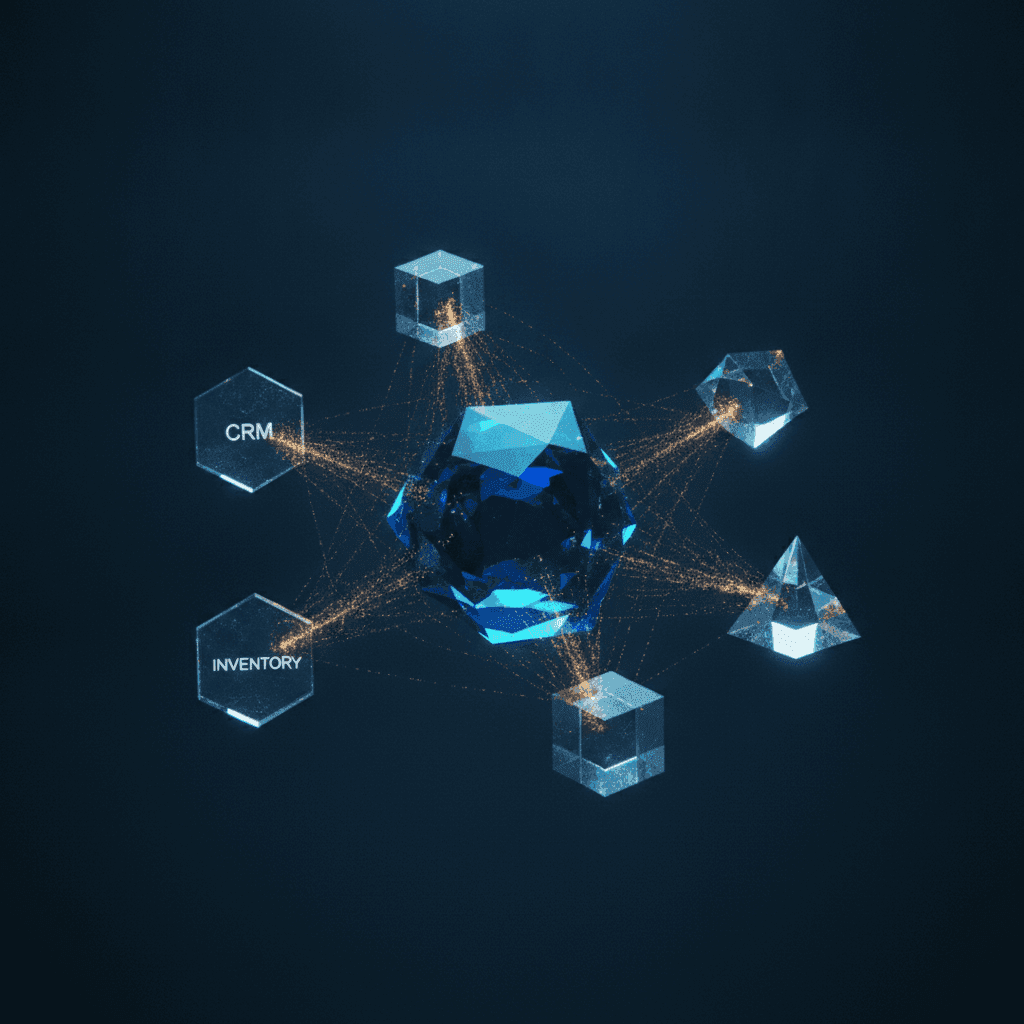
In many organizations, data fragmentation is a significant hurdle. Marketing uses one tool, sales another, and accounting yet another. This leads to data silos where information is trapped within specific departments, causing manual data entry errors and a lack of real-time visibility. Odoo solves this by providing a single source of truth. When every department operates on the same platform, data flows seamlessly across the organization without the need for complex third-party connectors.
Cost is another critical factor. Traditional ERP implementations can be prohibitively expensive, involving high licensing fees and long deployment cycles. Odoo's Community and Enterprise editions offer a more accessible entry point. By utilizing a modular approach, companies can avoid paying for features they do not use, significantly lowering the total cost of ownership. Furthermore, the absence of vendor lock-in gives businesses more control over their digital infrastructure.
Key Concepts
The core of Odoo's philosophy is its modularity. Each business function—be it CRM, Sales, Inventory, or Accounting—is a separate module that can be installed independently. However, these modules are designed to communicate with each other out of the box. This is achieved through a shared database and a consistent user interface, ensuring that the user experience remains uniform regardless of the module being used.
Customer Relationship Management (CRM) is often the starting point for many Odoo users. It allows teams to manage the entire sales funnel, from lead acquisition to closing deals. The module features a Kanban view that provides a visual representation of the sales pipeline, making it easy to identify bottlenecks and prioritize high-value opportunities. Integration with email and calendar tools ensures that no communication is missed.
Odoo's Inventory module is particularly noteworthy for its double-entry system. In a standard inventory system, you simply add or subtract quantities. In Odoo, every movement is a transaction between a source and a destination location. This provides a complete audit trail and enables advanced features like cross-docking, drop-shipping, and multi-warehouse management. It ensures that the physical reality of the warehouse is always reflected in the digital system.
For financial management, the Accounting module provides a comprehensive set of tools. It automates bank synchronization, allowing for rapid reconciliation of transactions. It also supports multi-currency and multi-company setups, which is essential for global operations. From a technical perspective, Odoo's Object-Relational Mapping (ORM) layer allows developers to interact with the database using Python objects, which speeds up development and reduces the likelihood of SQL injection vulnerabilities.
Practical Examples
To see Odoo in action, consider a retail business that operates both physical stores and an online shop. When a customer purchases a product online, the Odoo E-commerce module communicates directly with the Inventory module to reserve the stock. Simultaneously, the Sales module creates a record of the transaction, and the Accounting module generates an invoice. This happens instantly, without any manual intervention, ensuring that the customer receives their order quickly and the financial records are accurate.
Another example is a professional services firm. They can use the Project module to manage client engagements. Employees log their hours using the Timesheet module, which is directly linked to the specific project tasks. At the end of the month, the system can automatically generate invoices based on the logged hours and the agreed-upon billing rates. This integration reduces the administrative burden on managers and ensures that every billable hour is accounted for.
Conclusion
Odoo ERP offers a powerful, flexible, and cost-effective solution for modern businesses looking to streamline their operations. Its modular design allows for a tailored implementation that can grow and adapt to changing needs. By breaking down data silos and providing a unified platform, Odoo enables organizations to operate more efficiently and make data-driven decisions.
For IT professionals and developers, Odoo represents a modern approach to enterprise software. Its open-source roots, combined with a robust technical stack, provide the tools necessary to build sophisticated business solutions. As the digital landscape continues to evolve, adopting an integrated ecosystem like Odoo is a strategic move toward long-term operational excellence and business agility.


